Precisely because Mars is the only other planet that won’t actively try to kill us the moment we step out of the landing module.
Mars is merely passive-aggressive, while the other planets are full-blown psychopaths.
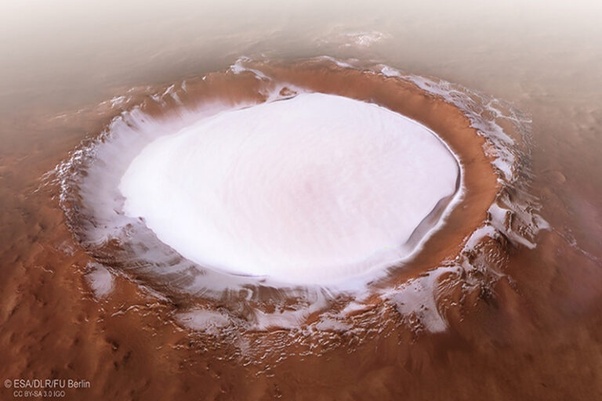
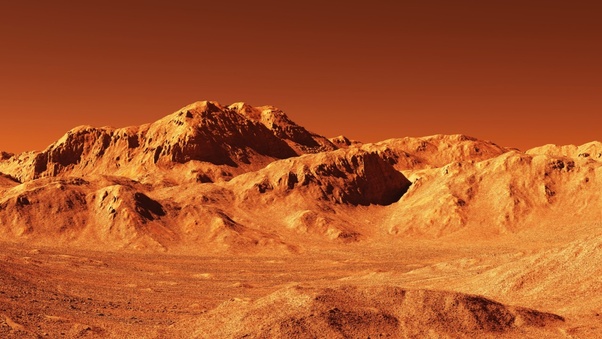
(Korolev crater, an 82-kilometer-across feature found in the northern lowlands of Mars.)
It’s a cold, lifeless and desolate world, but with a reasonable amount of protection, we could eventually walk on its surface. We’ve also discovered resources there that could support survival, albeit in small numbers.
These include water in the form of ice, essential minerals, and lava tubes where we could build habitats deep underground, shielded from the irradiated surface. Additionally, Mars has a day that’s just a tad longer than Earth’s, which is beneficial for maintaining our circadian rhythms.
So, considering humanity’s strong desire to go “somewhere” (for science, among other reasons), and Mars being the only viable option that allows us to stay, it’s no wonder Mars is so closely associated with the idea of “going somewhere.”
As I mentioned, other planets would kill us within minutes. Mercury’s temperatures swing between -170°C and 450°C, Venus is a toxic inferno, and the gas giants—along with their rocky moons—are either freezing cold or heavily irradiated.
Compared to these, Mars is a paradise (#cough). Its temperatures are relatively mild by planetary standards (if you can survive an Antarctic winter at -90°C, you could reasonably survive on Mars, especially since the thin atmosphere makes heat conservation manageable). Radiation levels are high but not extreme, there’s enough sunlight to generate energy (and potentially grow plants), and the gravity, while low, is at least present—something we could likely adapt to.
You simply won’t find anything remotely similar anywhere else in the solar system.
Mars is a cold, desolate wasteland with no atmosphere and unproductive soil. Why would we possibly want to go there?
Well, there are several factors.
- Mars has water, kind of.
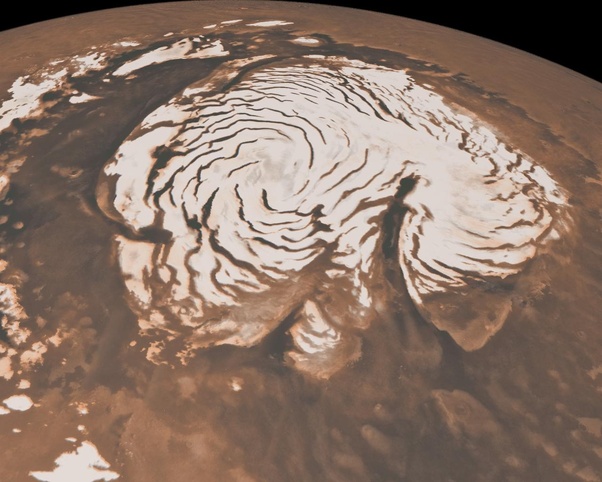
Mars has frozen water trapped in its polar ice caps, which means H2O has existed and can be used by astronauts.
- Mars has a day barely longer than Earth’s.
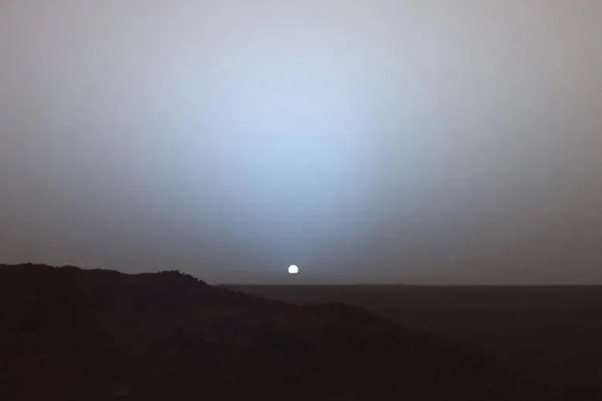
Turns out, the Red Planet only experiences a day 40 minutes longer than we do, and helps when planning missions.
- Mars is rich with resources.
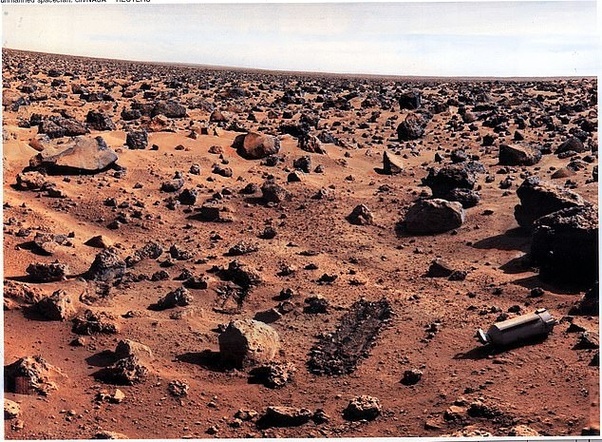
Ores like iron and titanium are found in droves and are useful for building pretty much any space equipment. Oxides and silicon found in rocks can also be the basis for terraforming.