
Let’s establish something first: mercury is extremely toxic.
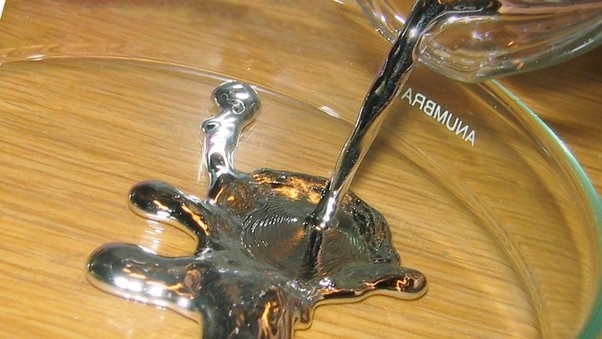
This is probably the first thing you learn about mercury in chemistry class: If you’re exposed to liquid elemental mercury (pure mercury) – even by touching it, inhaling its vapour, or digest it yourself, you will end up with mercury poisoning.
Obviously, it’s not a good thing.
It can cause numbness, swelling, skin peeling, tachycardia (quickened and irregular heart activity), hypertension, insomnia, and even a decrease in intelligence.
That’s mercury in its purest form. However, compounds of mercury are even worse in toxicity.
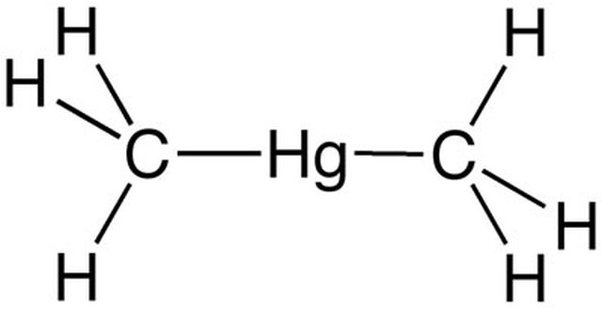
Dimethylmercury (HgC2H6) is an organomercury compound.
And of course, it is a neurotoxin. Actually, it is one of the ‘best’ neurotoxins.
Dimethylmercury is colourless and – I have no idea how they managed to do this – but people have found out that it has a sweet scent. Even though the presence of enough vapour in the air for humans to be able to smell it would be more than enough of a dose to call 911.
It is not reactive toward water and it’s a volatile liquid – which means that it always tries to vaporise whenever it can, and why you should never try to take a sniff.
For something so powerful … it’s pretty much useless aside from killing living beings. Dimethylmercury doesn’t have much use due to its toxicity.
It used to be a methylating agent, or in short, it can give its -methyl group to an organic molecule, but since it’s so toxic and with the discovery of less toxic methylating agents, it’s eventually phased out of use.
It also used to be a reference for Nuclear Magnetic Resonance (NMR) spectroscopes to detect mercury by analysing the magnetic properties of the metal itself. But eventually, it was phased out and replaced with less toxic mercury salts.
All in all, for science – it technically doesn’t do s***.
But dimethylmercury is very exciting when things come to death and destruction.
Again, dimethylmercury is an extremely potent neurotoxin – meaning it can really screw up your nervous system.
Here’s a list of how it’s going to get into your body:
- By skin contact, it will infiltrate your circulatory system.
- By seeping through your puny latex gloves, through your skin, and into your veins.
- Through your respiratory system by its delightfully sweet vapour.
- … I don’t know how and why you’d do it, but please don’t eat it.
And it can kill you with only a few microlitres.
Dimethylmercury can cross the barrier between the circulatory system and the fluid in your brain i.e. It can follow veins up into your brain and infiltrate it easily, working its magic there.
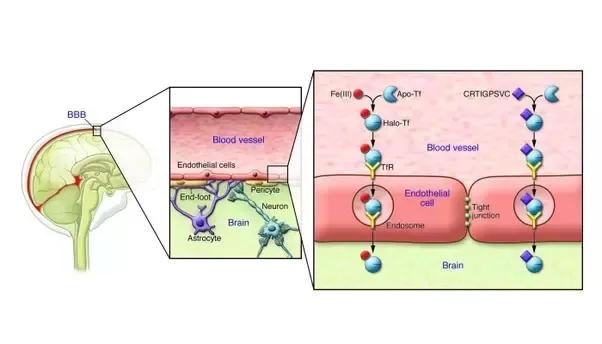
But it doesn’t kill you outright, no, it will accumulate in your system slowly and shows little to no symptoms at all unless you’re exposed to a distinctly large dose. When the accumulation is high enough and begins to show symptoms, it’ll often be too late for treatment.
One death has occurred.

Karen Wetterhahn was a chemist at Dartmouth College. In 1997, during an experiment, she accidentally spilled a couple drops of dimethylmercury onto her latex-clad hand.
The power of latex at the time was almost uncontested, so she took no mind of it.
Little did she know that the latex glove was compromised almost immediately and that the substance penetrated her skin, up into her brain, and through the barrier in seconds.
She was dead ten months later.
After this tragedy, at least, people began to develop more regulations and equipment to protect themselves against extremely toxic chemicals while handling them. At least her death is taken seriously.