After a century, the world below ground is quiet.
A cheap pine coffin is long gone.
Collapsed into the soil, its wood rotted away, a metal one is a corroded shell.
The flesh has been gone for decades, returned to the earth by bacteria and time, leaving only the skeleton behind–Even the bones are slowly turning to dust.
Above ground, the stone tells the story of the weather. Granite stands firm, but marble weeps its inscriptions away under the slow assault of rain.
The ground sinks.
As the world below gives way.
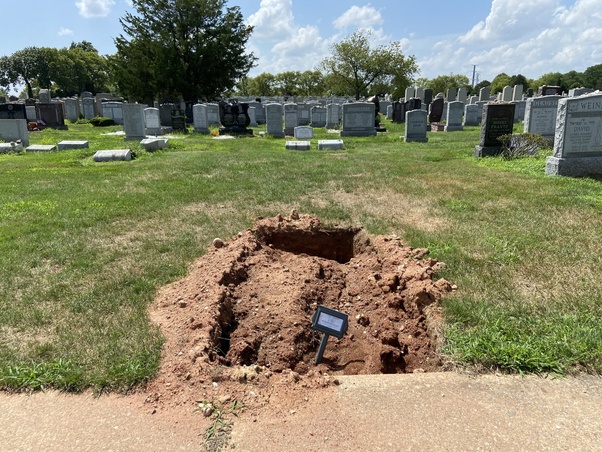
But in America, the plot itself is a permanent thing.
The family bought the right to that spot forever–No one is coming to dig up the bones to make room for someone new, that is a story from other places.
It really just depends on where you were and what type of burial that you had.
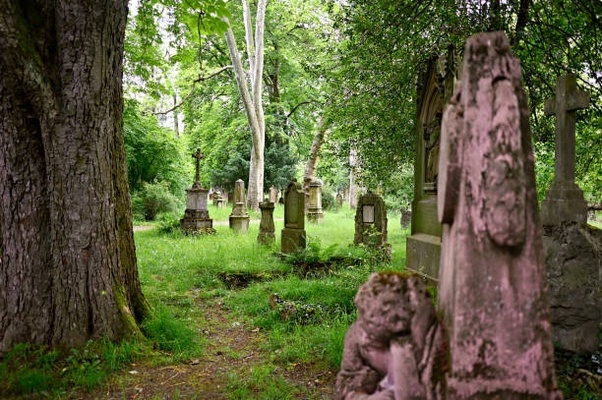
In most of the American cemeteries, the plot is yours for eternity. The family purchased the rights to the land, so after 100 years that grave sits there, untouched. The headstone might be weathered away—limestone and marble corrode from acid rain, but granite weathers pretty well. The ground will settle usually as the coffin drops in and the soil settles down.
Subterranean, everything organic is destroyed. A body in a standard casket is fully skeletonized in 10-15 years in normal soil conditions. In 100 years, even bones are being dissolved into minerals. Lesser wood coffins totally rot. Metal caskets rust into the shape of tin cans. Concrete vaults might still be intact but they are not sealed, so it still breaks down, but very slowly.
In Europe and elsewhere where landowner space is limited, it is not the same. It is common for many countries to lease grave plots between 20-50 years. They then dig up the dead after that, unless it is renewed by the family. The bones are transferred to an ossuary or cremated, and another one is buried there. It’s called grave recycling and has been done for centuries.
Some of the older cemeteries have been kept intact, so the graves in the 1800s are basically archaeological sites. Nobody’s maintaining them, but nobody’s messing with them either.
Maintenance is the biggest consideration. If a cemetery gets bankrupt or abandoned, nature takes back over. Headstones get tipped over, weeds cover everything, and in a few decades it’s like an abandoned forest.