In terms of aggression, the Black Mamba with its cousin, the Green Mamba are the top contenders for the most dangerous snakes.
Black and Green Mambas
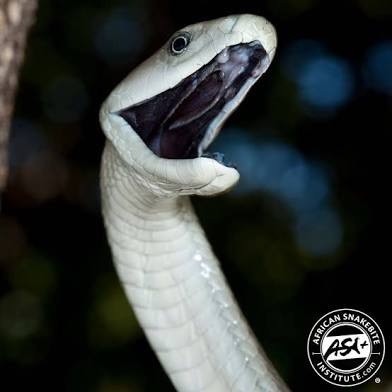
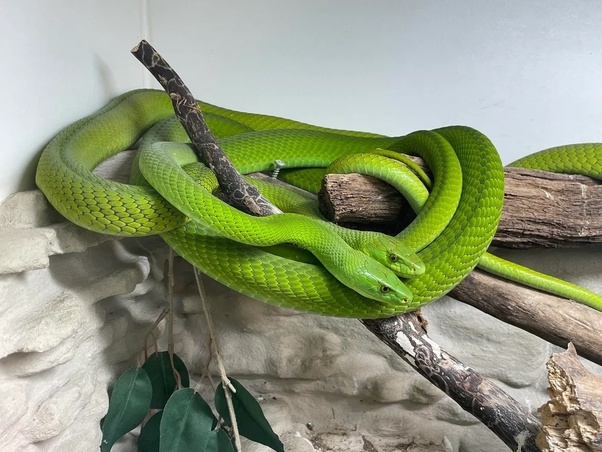
They both can strike repeatedly injecting massive amounts of venom which is a very powerful neurotoxin.
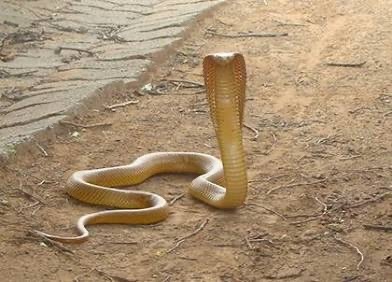
The Spitting Cobra and the the Cape Cobra are moderately aggressive and considered dangerous.
Spitting Cobra
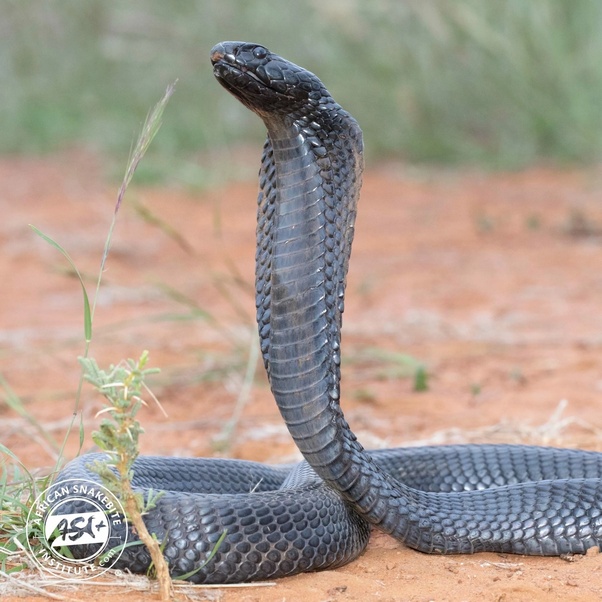
Cape Cobra
But the silent sleepers which are extremely dangerous are these two snakes.
Gaboon Viper/Adder
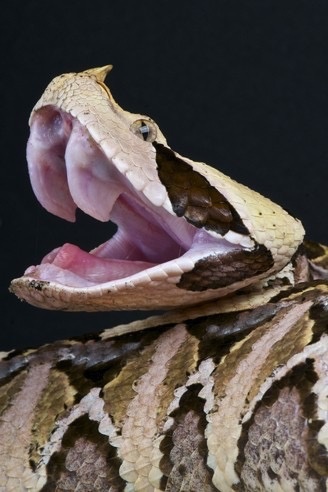
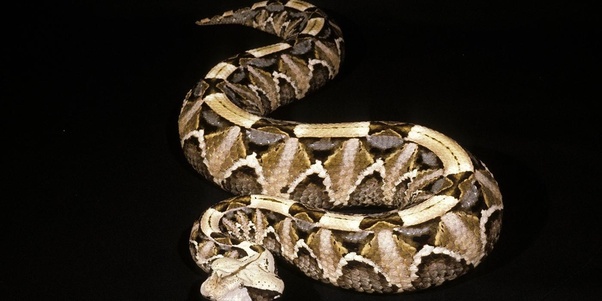
This is a slow moving hefty snake that is not aggressive and will usually shy away but if provoked, it will strike and it has massive 2 inch fangs that can inject massive amounts of venom. This snake is best avoided and by nature, it’s slow moving and not aggressive.
Boomslang
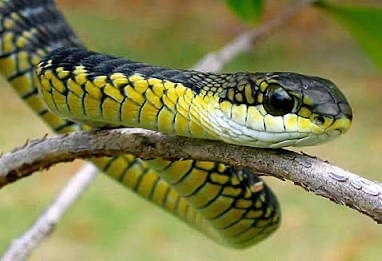
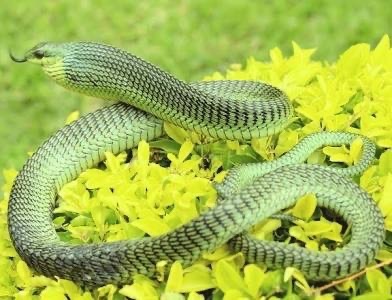
This is another reclusive snake that is arboreal and usually stays away from humans but if provoked, it has a lightning fast strike with highly potent venom.
This is a tree dweller just like both the mambas and a Colubrid snake just like the Mambas and Cobras but an extremely dangerous snake if you are unfortunate enough to have an encounter.
Edited to Add: I want to make something clear here. Often, the most dangerous snakes don’t equal the most deaths caused by them. In most cases, the snakes that are the most dangerous do not cause the most deaths.
In the African continent, despite the deadly snakes, the most deaths are caused by this snake.
Saw Scaled Viper
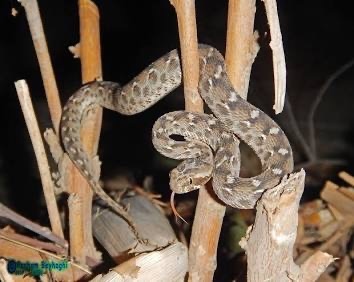
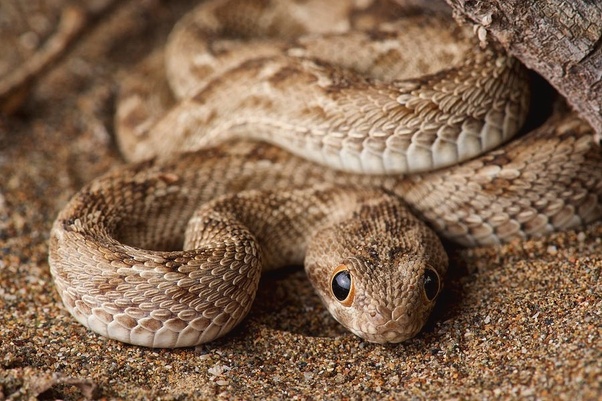
The saw scaled viper kills the most people not just in Africa but also South and South East Asia which all have much deadlier snakes.
Why? Because their habitat range is widespread and that puts the encounters with humans high.
A saw scaled viper’s bite is easily treatable with anti venom and in the developed world, you would have less than 10 deaths because of this snake. As such, it’s venomous but not highly venomous enough to kill within 30 minutes or less.
However most people in rural Africa and South East Asia/South East Asia die from this snake because of two reasons
- Lack of proper or any footwear: Appropriate footwear can save most people from a snake bite. Knee high mud boots or similar will stop most snakes from piercing through the boots to inject venom. A snake can only raise its body to 1/3rd of its length and most bites occur on the foot of the victims, often below the knees. Footwear will prevent most envenomation.
- Lack of hospitals and accessibility
This is the top reason people die in rural Asia and Africa Poor people get bitten in rural areas where there are no nearby hospitals that stock anti venom and even if there is one 100 kms away, lack of transportation and difficult roads prevent these people from being saved because you need anti venom administered within a couple of hours.
The saw scaled viper is far from a deadly snake and a bite that can be easily treated in the urban areas but very difficult to get treatment in time in rural Africa and Asia. It causes more than 10000 deaths in both continents. In an ideal world, it would be below 10.
Despite the plethora of deadly snakes, only 5 or 6 people die of snake bite in America every year.
In Australia, the land of the deadliest snakes on Earth, that number is 2. Yes, just 2 per year.
Accessibility to hospitals and facilities to get there makes all the difference in the world when you are bitten by a venomous snake.
I watched a video of someone in Australia bitten by a tiger snake which is a deadly species and this happened in Fraser Island, a very remote island in Australia.
However, they were saved because the Australian medics sprung into action, flew into Fraser Island using a helicopter, located them and was able to airlift them to a hospital and the victim was being administered anti venom on the helicopter even before they even flew to the hospital.
Deaths by snake bite are mostly preventable if the economical inequities are ironed out in all countries.
Depending on your definition of dangerous.
The Black Mamba has the most toxic venom of African snakes, but because it is elusive and contrary to popular belief don’t chase after people to bite them, envenomation is relatively rare. Cobra or more specifically the Cape Cobra (Naja nivea) and the Black Mamba are responsible for 10–12 deaths each year in South Africa.
But there is another contender.
This is an excerpt from its Wikipedia page.
This species is responsible for more snakebite fatalities than any other African snake,
I’m of cause alluding to the Puff Adder.
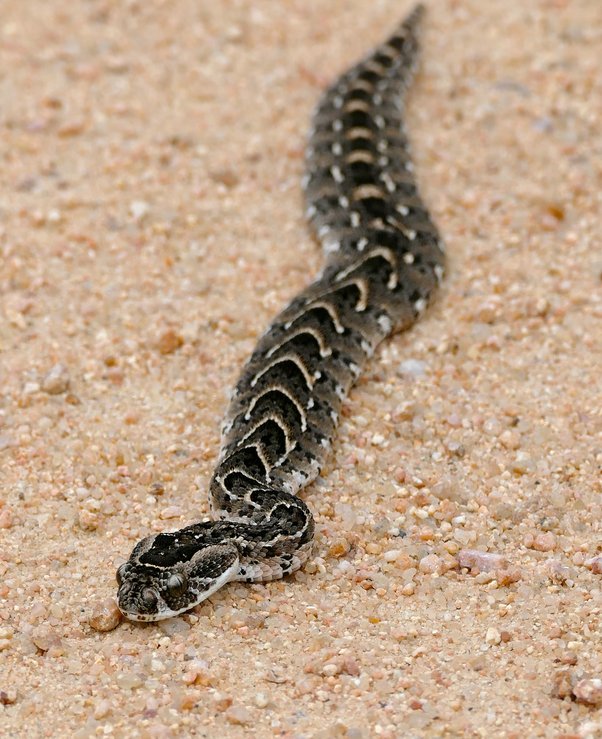
It’s wide distribution, common occurrence, potent venom, large yield (amount of venom), long fangs and the fact that it is an ambush predator relying on its camouflage to lay in wait for prey to come close, humans stumble upon them frequently.
As they are responsible for more deaths, I think the Puff Adder may be considered more dangerous than its two kinsmen.