To all the Asians (or people) out there, you may have eaten a fruit called Lychee (or its scientific name: Litchi.)
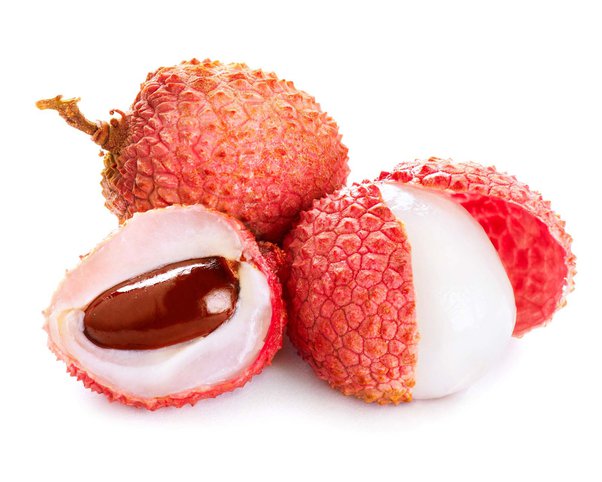
(Yes, this sweet, juicy, exotic fruit.)
Back in January 2020 (yes, that recent), a farmer named Tibby Dixon in Australia has made his Lychee creation a success. He has grown his own Lychee tree for over 40 years.
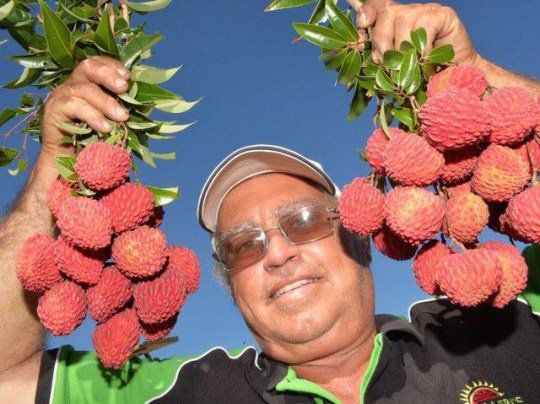
After buying a single fruit Lychee tree from China for £2,600 (about $3,298.05 USD/ $4,430.23 CAD/ ₹249,985.32 Indian Rupee/$4,737.80 AUD), Mr. Dixon has been growing different Lychee varieties through mixed breeding and cross-pollination. Biology, buzz buzz!
And guess what? After 19 years of experimenting many Lychees, he has finally made a seedless Lychee creation!
In an ABC Australia interview,
[1] he describes his Lychee fruit, tasting:
“[…] like it has a bit of pineapple in it — that’s what my taste buds tell me.”
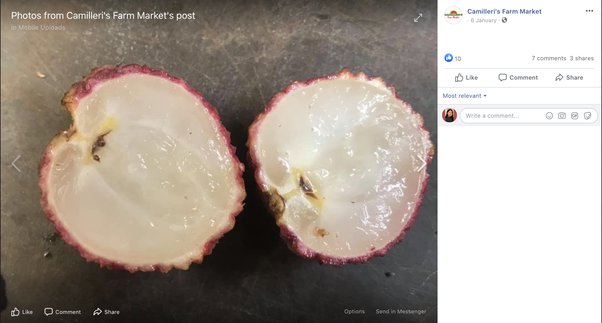
It is impressive to have seedless Lychee—that actually exist!
Super juicy, open the shell and there is no seed inside. I can taste the fruit and juice itself without the seed. One day, I want to visit that farm in Australia and try out the famous seedless Lychee.
The only downside is the no-seed Lychee is still in the early stages of development and is yet to be planted on commercial use.
Cheers
Fruits today actually look very different hundreds of years ago due to selective breeding. Bananas, for example, look like this today:
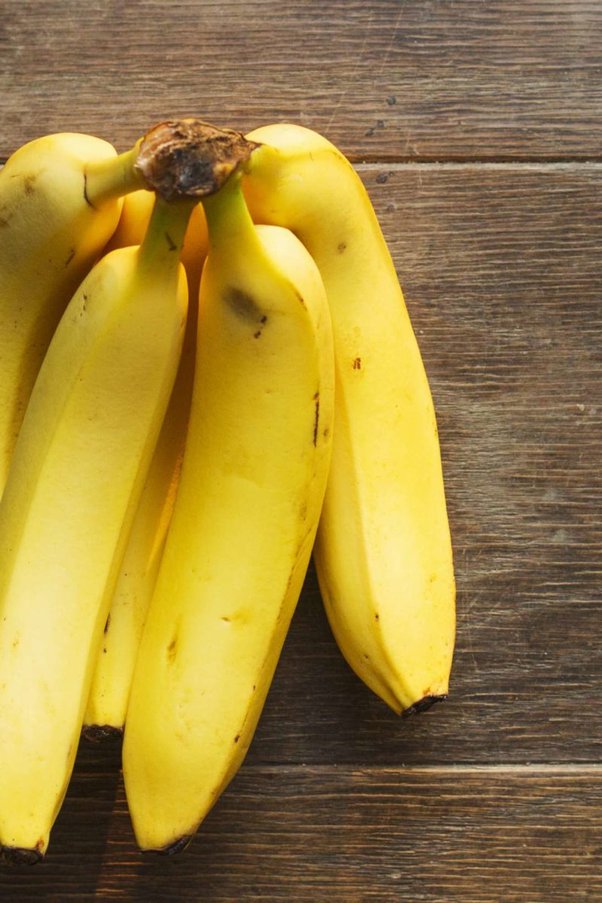
(Medical News Today)
Bananas today fit almost perfectly to the grip of the hand. It also has a hard part on the top that can be used to peel the skin off of the banana. Most varieties of bananas are big enough to fill us up with just one piece.
Modern bananas, however, came from two wild varieties, both of which look like this:
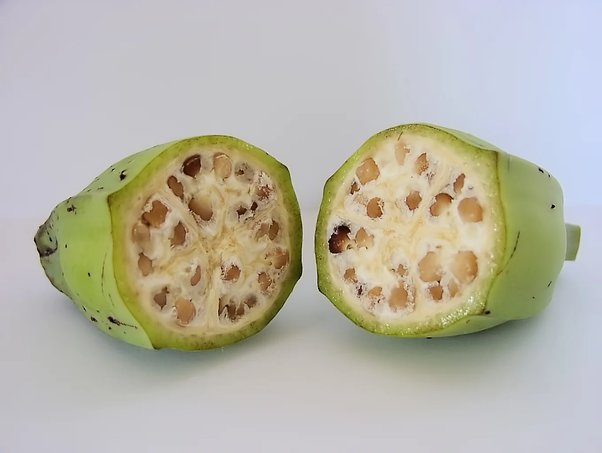
(Genetic Literacy Project)
These bananas have a lot of hard seeds, which means there’s less actual banana flesh to eat. Their skin is also considerably harder to peel. This type of banana, apparently, is not something people would want to eat. But due to breeding bananas with desirable traits (like lesser and smaller seeds and softer skins), we got to have the much more appetizing bananas we have today.
Another example is corn:
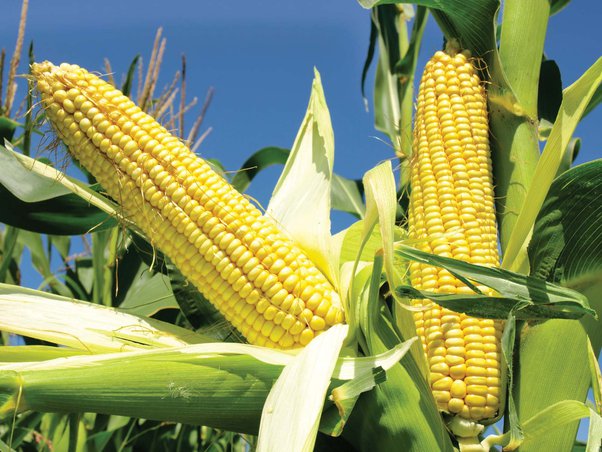
(Britannica)
Nice yellow cob, durable husk, sturdy stalks.
Back in 7,000 BC, however, natural corn looked like this:
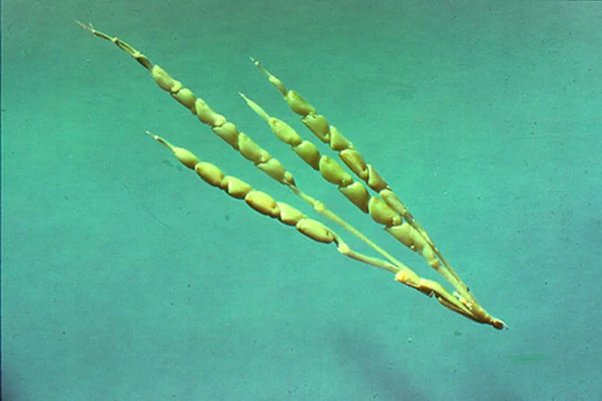
(Living Crop Museum)
Corn today is 1,000 times bigger than this cute little whittle of a corn. Today’s corn is also sweeter, much easier to peel and grow. Corn thousand of years ago was also incredible dry and was almost inedible.